Camouflage Camo Digital Paper Pattern: Strategic Applications for Design and Branding
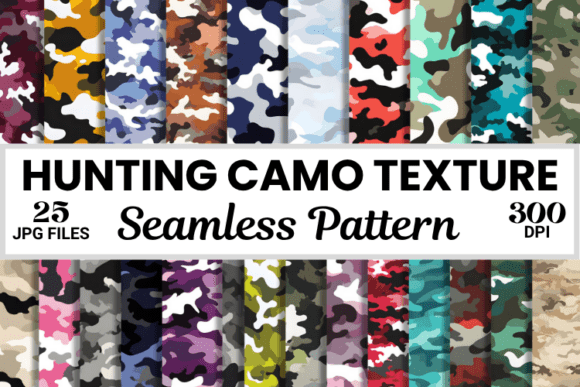
In the landscape of digital design, resource selection is rarely just about aesthetics; it is a strategic decision that impacts workflow efficiency, brand consistency, and final output quality. The Camouflage Camo Digital Paper Pattern represents more than a simple texture pack. It is a curated collection of 25 seamless military-inspired backgrounds designed to serve specific functional needs in both print and digital media. For entrepreneurs, marketers, and creative professionals, understanding how to leverage these assets can streamline production processes while maintaining high visual standards.
This analysis explores the practical utility of the Camo Digital Paper Bundle, detailing its technical specifications, optimal use cases, and the strategic considerations required to integrate these patterns effectively into professional projects. By moving beyond superficial application, designers can utilize these textures to enhance storytelling, support branding objectives, and improve operational speed in design workflows.
Understanding the Asset: Technical Specifications and Quality
Before integrating any digital asset into a commercial or professional project, verifying its technical integrity is paramount. The Camouflage Camo Digital Paper Pattern bundle, designed by Creative-River, provides a robust foundation for various applications due to its adherence to industry-standard printing and display metrics.
- Resolution and Clarity: Each pattern is delivered at 300 DPI (dots per inch) with dimensions of 12 × 12 inches (3600 × 3600 px). This resolution ensures that the patterns remain sharp and crisp when printed on physical substrates such as cardstock, fabric, or packaging materials. For digital use, this high resolution allows for scaling without pixelation, ensuring clarity across high-density displays.
- Format Efficiency: The bundle consists of 25 High-Resolution JPGs contained within a single ZIP file. While PNG files are often preferred for transparency, the exclusive use of JPGs in this context serves a strategic purpose. JPEG compression reduces file size significantly compared to uncompressed formats, leading to faster loading times in web environments and quicker processing speeds in design software like Adobe Photoshop or Illustrator. This efficiency supports productivity, particularly when working with large batches of files.
- Seamless Tiling Capability: A critical feature of this bundle is that every pattern is seamlessly tileable. This means the edges of the image align perfectly with itself, allowing designers to repeat the texture infinitely without visible seams. This functionality is essential for creating full-page backgrounds, textile prints, and large-scale murals where continuity is required.
Strategic Use Cases Across Industries
The versatility of the Camouflage Camo Digital Paper Pattern allows it to be applied across multiple sectors. However, successful implementation requires aligning the visual language of camouflage with the intended message of the project. Below are key areas where this asset adds tangible value.
1. Apparel Mockups and Print-on-Demand Merchandise
For small business owners and entrepreneurs in the fashion or lifestyle sector, the demand for rugged, tactical, or outdoor-themed merchandise remains steady. The diverse styles included in the bundle—ranging from classic woodland and desert tones to modern digital and urban variants—provide a comprehensive toolkit for product development.
By utilizing these seamless patterns, designers can create realistic mockups for t-shirts, hats, bags, and accessories. The ability to seamlessly tile the pattern over a garment shape in a mockup generator enhances the realism of the presentation, helping potential customers visualize the final product. This directly supports sales conversion by reducing uncertainty about the product's appearance. Furthermore, for print-on-demand services, having pre-tested, high-resolution patterns ensures that the final printed item matches the digital preview, minimizing returns and customer dissatisfaction.
2. Event Planning and Party Invitations
In the event planning and stationery niche, thematic consistency is crucial for setting the right tone. The Camo Digital Paper Bundle is ideal for creating invitations, banners, and decor for hunting-themed parties, military appreciation events, or outdoor adventure gatherings. The inclusion of snow camo patterns expands the utility to winter sports events or holiday-themed rustic parties.
From a branding perspective, using these patterns allows event organizers to establish a cohesive visual identity quickly. Instead of sourcing disparate images, a designer can use the entire suite to maintain a unified aesthetic across all touchpoints, from digital invites to physical signage. This cohesion reinforces the event’s theme and demonstrates professionalism.
3. Scrapbooking and Junk Journaling
For hobbyists and creators in the scrapbooking community, the Instant Download Scrapbook Paper aspect of this bundle offers immediate value. The 12x12 inch format is the standard size for many scrapbooking layouts and digital journaling templates. The variety of textures allows users to layer different camo styles, adding depth and visual interest to their pages.
Strategically, this reduces the time spent searching for compatible elements. When a creator knows they have access to 25 coordinated, high-quality patterns, they can focus more on composition and storytelling rather than resource acquisition. This shift in focus enhances creativity and output volume.
4. Packaging and Labels for Consumer Goods
Small businesses producing goods related to the outdoors, military surplus, or rugged lifestyle brands can benefit from using these patterns for custom packaging. Whether designing labels for hot sauce bottles, tags for leather goods, or boxes for subscription kits, the Camouflage Camo Digital Paper Pattern provides a distinctive look that stands out on shelves or in unboxing experiences.
The 300 DPI resolution ensures that fine details in the pattern are preserved during the printing process, which is vital for premium packaging. Using a textured background can also reduce the need for excessive ink coverage, potentially lowering printing costs for certain commercial runs.
Decision-Making Framework: When and How to Apply
While the asset is versatile, indiscriminate use can dilute its impact. To achieve better results, designers and marketers should adopt a deliberate approach to incorporating the Camouflage Camo Digital Paper Pattern.
Contextual Relevance
Ask whether the camouflage theme aligns with your brand voice or project goal. Camouflage conveys notions of stealth, nature, toughness, and utility. If you are designing for a luxury beauty brand or a corporate finance firm, these patterns may send mixed messages unless used in a highly abstract or ironic manner. Conversely, for brands targeting outdoor enthusiasts, gamers, or tactical gear consumers, the alignment is natural and effective.
Color Palette Coordination
The bundle includes various colorways, but it is essential to ensure that the chosen pattern complements the rest of the design elements. Text legibility is a common pitfall when using busy patterns like camo. To mitigate this, consider overlaying solid-colored text boxes, using drop shadows, or selecting patterns with lower contrast if the primary content is text-heavy. Strategic placement ensures that the pattern enhances rather than obscures the message.
Digital vs. Print Considerations
Although the files are high-resolution, screen rendering differs from print. On screens, digital camo patterns can sometimes cause moiré effects if not scaled correctly. Always preview designs at actual size before finalizing. For print, verify that the color profile (CMYK vs. RGB) matches your printer’s requirements to avoid unexpected shifts in the green, brown, and black tones characteristic of woodland and desert camos.
Risks and Mitigation Strategies
Using stock digital papers carries inherent risks if not managed properly. One significant risk is lack of originality. Since these patterns are widely available, overusing them without customization can make a brand look generic. To counter this, treat the pattern as a base layer. Add unique overlays, textures, or custom typography to differentiate your work from competitors who might use the same raw assets.
Another consideration is cultural sensitivity. Military imagery and camouflage patterns can carry strong associations with warfare and conflict. Ensure that your usage respects these contexts, avoiding inappropriate applications that could alienate audiences or damage brand reputation. Thoughtful communication and clear intent help navigate these sensitivities.
Long-Term Value and Workflow Integration
Investing in a comprehensive bundle like the Camo Digital Paper Bundle contributes to long-term operational efficiency. Having a library of tested, high-quality assets reduces the friction in the creative process. Designers spend less time troubleshooting file compatibility or searching for suitable textures, allowing more time for strategic planning and client communication.
Furthermore, the instant download nature of the product supports agile workflows. Projects often require rapid turnaround times, and having immediate access to 25 distinct, professional-grade patterns ensures that deadlines are met without compromising quality. This reliability is a key factor in building trust with clients and stakeholders.
Conclusion
The Camouflage Camo Digital Paper Pattern bundle is a powerful tool for designers, marketers, and creators seeking to incorporate rugged, military-inspired aesthetics into their work. Its combination of high resolution, seamless tiling, and diverse styles makes it suitable for a wide range of applications, from apparel mockups to event decor. However, success depends on strategic application. By considering contextual relevance, coordinating color palettes, and respecting cultural nuances, professionals can leverage these assets to enhance their projects’ visual impact and operational efficiency. Ultimately, the value lies not just in the patterns themselves, but in how intentionally they are integrated into broader design and business goals.