French Countryside Scenes Print Design: A Timeless Element for Modern Creativity
The allure of the French countryside has long inspired artists, designers, and decorators. From the rolling lavender fields to charming village squares, these scenes evoke a sense of tranquility and elegance that many seek to capture in their creative projects. One particularly enduring design style is French Countryside Scenes Print Design, which often incorporates the classic motifs of Toile de Jouy. This article explores what this print design entails, its unique characteristics, and how it can serve as a valuable asset in various applications.
What Is French Countryside Scenes Print Design?
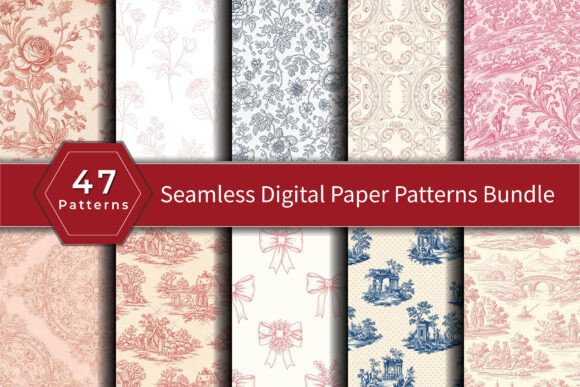
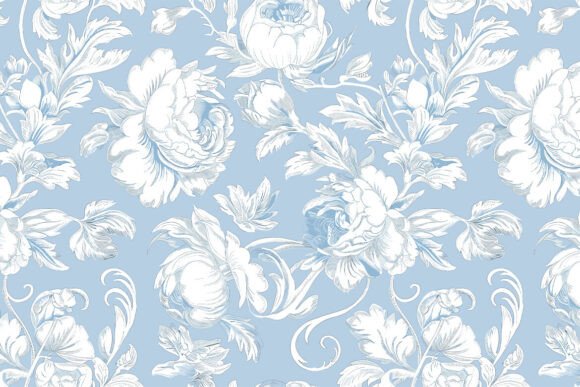
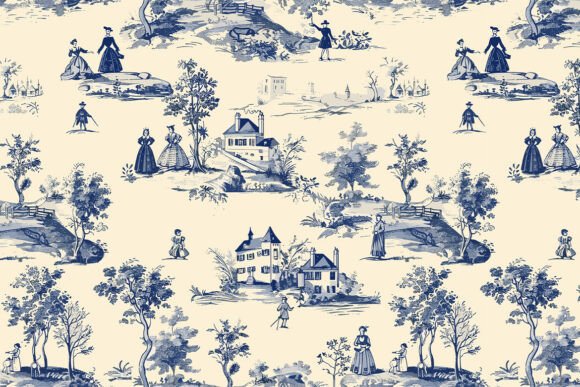
French Countryside Scenes Print Design refers to visual patterns and imagery that reflect the pastoral life and scenery of rural France. These designs typically feature idyllic landscapes, rustic farmhouses, gentle animals, and blooming flowers rendered in soft pastel tones or muted earth colors. The most iconic form of this style is Toile de Jouy, a fabric pattern originating in 18th-century France. Known for its delicate, hand-drawn aesthetic, Toile de Jouy uses white-on-blue or white-on-ivory color schemes with intricate narratives woven into the floral backgrounds.
This style has transcended its textile origins to become a staple in interior design, fashion, branding, and digital media. Its charm lies in the storytelling quality of the scenes, which transport viewers to a romanticized version of French country life. For designers looking to infuse warmth, history, and sophistication into their work, French Countryside Scenes Print Design offers a compelling option.
Key Characteristics and Visual Appeal
Several defining features make French Countryside Scenes Print Design stand out:
- Historical Inspiration: Rooted in 18th-century French art, these prints often depict pastoral life with a nostalgic feel.
- Floral and Narrative Elements: While floral patterns are central, they are frequently accompanied by small vignettes—such as villagers dancing or strolling through fields—that add depth and character.
- Muted Color Palettes: Soft blues, creams, greens, and pinks create a calming and elegant look.
- Seamless Repetition: Many modern versions of Toile de Jouy are adapted into seamless patterns, making them ideal for tiling across surfaces without disrupting the visual flow.
These elements combine to produce a design language that feels both refined and approachable. Whether used on wallpaper, table linens, packaging, or website banners, the patterns maintain their integrity and aesthetic appeal due to careful composition and balance.
Strengths and Practical Applications
One of the main strengths of French Countryside Scenes Print Design is its versatility. It works well in both traditional and contemporary settings, offering a bridge between classic and modern aesthetics. Here’s how professionals have effectively applied this design in real-world scenarios:
- Interior Design: Home decor specialists use Toile de Jouy prints to create cozy, inviting spaces. A kitchen backsplash featuring a seamless pattern of French Countryside Scenes can instantly elevate the room's ambiance while maintaining functionality.
- Fashion and Textiles: In apparel and accessories, these prints bring a touch of whimsy and sophistication. Designers might incorporate them into summer dresses, scarves, or even tote bags for a subtle yet distinctive look.
- Graphic Design: Digital creatives find these patterns useful for branding, especially when targeting audiences interested in lifestyle, wellness, or artisanal products. A blogger specializing in home cooking could use Toile de Jouy prints to enhance blog headers or social media templates.
- Product Packaging: For businesses selling gourmet foods, candles, or handmade crafts, using French Countryside Scenes Print Design on packaging helps convey authenticity and quality.
In each case, the design’s ability to evoke emotion and nostalgia plays a crucial role in connecting with the audience. The detailed yet subdued nature of the prints ensures they don’t overwhelm but instead complement other design elements gracefully.
Quality and Technical Considerations
When selecting French Countryside Scenes Print Design assets, such as vector graphics or high-resolution JPG images (typically at 300 dpi), quality should be a top priority. High-resolution files ensure that the fine details of the scenes remain sharp and clear, even when printed on large formats like curtains or wall art. Vector-based designs also offer flexibility, allowing for easy scaling without loss of clarity—an essential trait for logos, marketing materials, and web assets.
Designers should pay attention to file types and resolution specifications depending on their intended use. For example, digital projects may benefit from scalable vector files, while print media will require high-quality raster images. Seamless pattern adaptations are particularly useful for tiling on fabrics or backgrounds, reducing the need for complex image manipulation during implementation.
Who Can Benefit Most?
This design style appeals to a wide range of creators and professionals, including:
- Interior Designers: Those working with cottage-style or shabby-chic interiors can use these prints to add character to walls, upholstery, or decorative accents.
- Graphic Designers: Especially those involved in lifestyle, food, or travel-related projects, where the imagery aligns naturally with the subject matter.
- Entrepreneurs and Small Business Owners: Individuals launching product lines in the culinary, craft, or homeware industries can leverage the print to build brand identity and customer trust.
- Freelancers and Publishers: These prints are excellent for editorial content, such as magazines, cookbooks, or travel guides, enhancing visual storytelling.
- Bloggers and Content Creators: They can integrate these patterns into templates, headers, or background visuals to maintain a cohesive and appealing brand image.
While it's not suited for every project—especially those requiring bold, minimalist, or futuristic aesthetics—it shines in contexts that value tradition, beauty, and narrative depth.
Realistic Examples and Use Cases
Consider a boutique hotel owner looking to market a new countryside retreat. By incorporating French Countryside Scenes Print Design into promotional materials, such as brochures and website banners, they can immediately set a tone of elegance and serenity. Similarly, a furniture designer might use these patterns on cushion covers or chairbacks to create an atmosphere reminiscent of European countryside living.
Another scenario involves a wedding planner creating themed décor for a rustic outdoor ceremony. Using Toile de Jouy-inspired signage or table runners adds a timeless charm that resonates with guests and complements the natural surroundings. Even in digital formats, such as email newsletters or online invitations, these designs provide a visually rich experience that stands apart from generic stock images.
Usability and Workflow Integration
From a usability standpoint, French Countryside Scenes Print Design assets are designed for ease of integration. Most reputable providers offer multiple file formats and resolutions to suit different platforms and print requirements. The seamless nature of the patterns simplifies the process of applying them to repeating surfaces, eliminating the need for manual adjustments.
However, designers must consider the context carefully. Overusing these prints can lead to a cluttered appearance, especially if combined with other ornate elements. Balancing them with solid colors or simpler textures is often necessary to maintain visual harmony. Additionally, the subtlety of the design means it may not always serve as a focal point; it’s best used as an accent or supporting detail.
Possible Limitations and Recommendations
Despite its advantages, there are some limitations to keep in mind. The historical nature of Toile de Jouy may not resonate with all audiences, particularly younger demographics who prefer more modern or abstract styles. Furthermore, the muted palettes may not work well with vibrant brand identities unless creatively adapted.
For those considering this design, here are a few recommendations:
- Test on Multiple Surfaces: Before finalizing a project, test the print on different materials to see how it behaves under lighting and texture variations.
- Pair Thoughtfully: Combine with neutral or complementary colors to avoid overwhelming the viewer. Use typography and layout to guide attention within the scene.
- Use Authentic Sources: Ensure that the patterns are either original or properly licensed adaptations to maintain credibility and respect intellectual property rights.
- Stay Updated: Though rooted in tradition, modern interpretations of French Countryside Scenes Print Design continue to evolve. Keep an eye on current trends to blend old-world charm with contemporary relevance.
Long-Term Value and Style Consistency
One of the key reasons French Countryside Scenes Print Design remains popular is its longevity. Unlike fleeting design fads, Toile de Jouy has stood the test of time and continues to appear in modern adaptations. This makes it a reliable choice for brands aiming for consistency over seasons or years.
Its timeless quality also supports multi-platform use. A single pattern can be repurposed across physical and digital mediums—from printed menus to Instagram posts—without feeling outdated. This cross-medium adaptability enhances the return on investment for any designer or business owner utilizing these assets.
Conclusion: A Versatile Asset for Sophisticated Projects
French Countryside Scenes Print Design brings a unique blend of history, elegance, and storytelling to the visual world. When executed thoughtfully, it can transform ordinary designs into memorable ones. Whether you're crafting a serene bedroom space, designing a luxury tea brand, or enhancing a travel blog’s visuals, this print style offers a sophisticated solution that resonates across disciplines.
By choosing high-quality, seamless versions of Toile de Jouy and integrating them strategically, designers can tap into a rich visual heritage while meeting the needs of today’s diverse audiences. As with any design element, success depends on understanding the project’s goals and knowing when to apply the pattern with restraint and purpose.